
You’ll learn hands-on grooming techniques and tool selection for every coat type, plus precise scissor and clipper work to maintain breed silhouettes. You’ll build calm, respectful handling skills to reduce stress and spot body language shifts. You’ll perform thorough skin, ear, nail, and coat assessments, follow strict sanitation and infection controls, and document findings pet grooming course malaysia. You’ll also practice clear client communication, consent, and basic business recordkeeping — keep going to uncover practical routines and pro tips.
Core Grooming Techniques and Tools
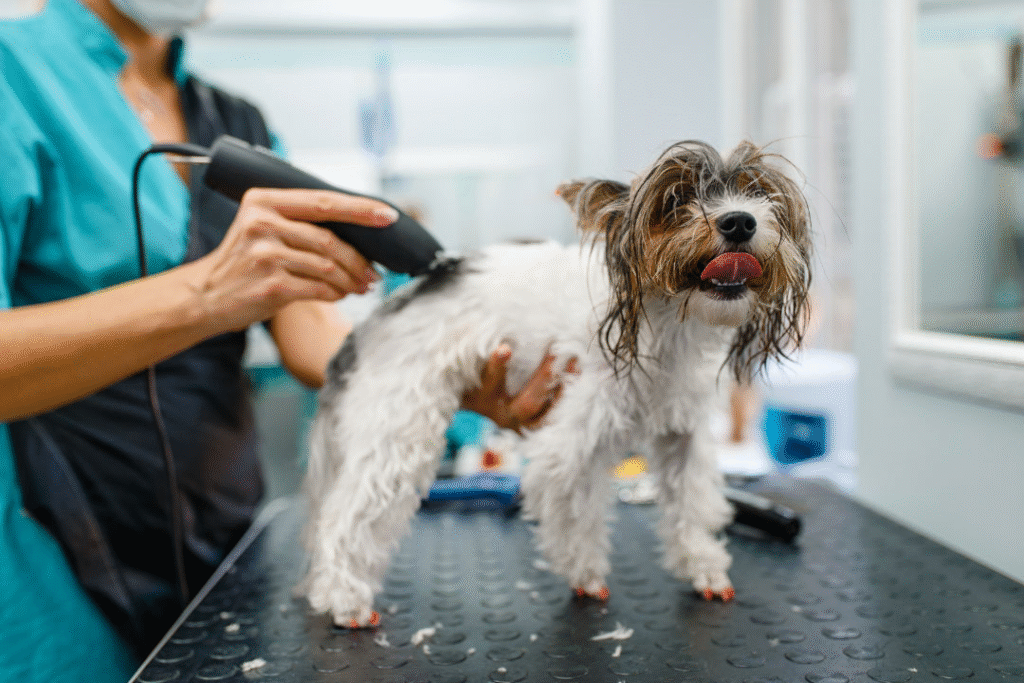
Even if you’re new to grooming, mastering a few core techniques and the right tools will keep pets comfortable and healthy; start with a calm approach, steady handling, and the basics: brushing, bathing, nail trimming, ear cleaning, and coat-specific clipping. You’ll learn precise scissor techniques for shaping without stressing the animal, and how to pair shears with combs to prevent uneven cuts. Choose brushes and clippers suited to coat type, and keep tools sharp, clean, and safe. Dryer handling matters: use low heat, steady airflow, and mindful distance to avoid burns and anxiety Pet Universe Cosmos. You’ll practice gentle restraint, read body language, and create routines that respect an animal’s limits. These skills give you freedom to groom confidently and compassionately.
Breed-Specific Styling and Coat Management
When you work with different breeds, you’ll need to recognize the specific standards that guide length, silhouette, and facial grooming so your trims stay true to each dog’s type. You’ll also assess coat genetics — double coats, single coats, wiry, curly, and silky textures all demand distinct brushing, stripping, or clipping routines to preserve health and appearance. By matching technique to breed and coat, you’ll protect skin integrity, reduce matting, and keep each pet comfortable and show-ready.
Recognizing Breed Standards
Breed standards act as your roadmap for breed-specific styling and coat care, outlining the proportions, textures, and presentation judges and owners expect. You’ll learn to perform a conformation assessment that informs safe, flattering grooming choices—identifying ear set, topline, tail carriage, and angulation so your trims respect breed balance. Standard interpretation teaches you which features are essential versus cosmetic, letting you prioritize health and authenticity over trends. You’ll develop a keen eye for proportions and symmetry, calibrate scissors and clippers to preserve intended silhouettes, and communicate confidently with owners about acceptable variations. Compassion guides every adjustment: you’ll protect the animal’s comfort while exercising creative skill, giving clients freedom in style within the constraints of breed identity.
Managing Coat Types
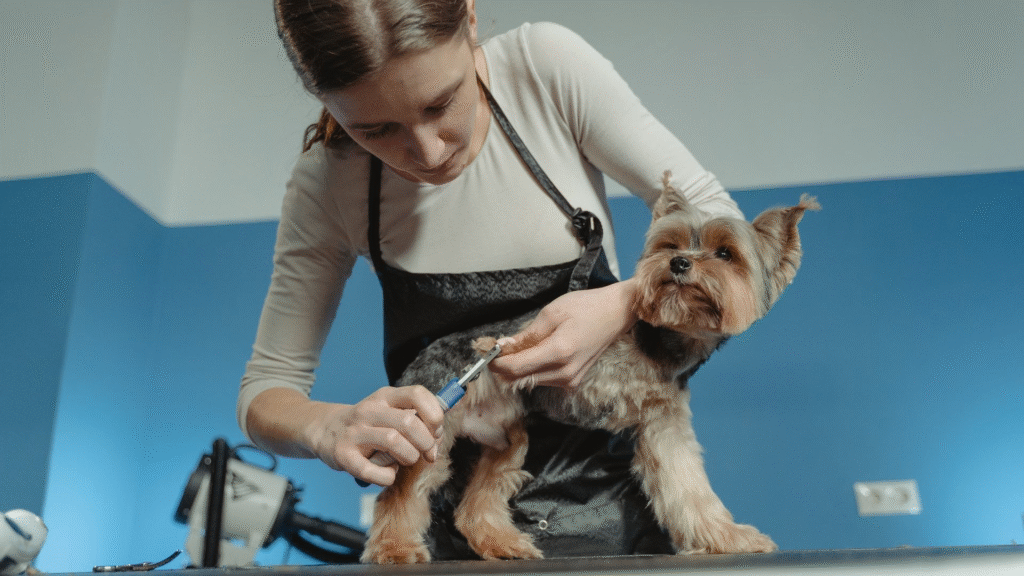
As you move from standards to hands-on care, you’ll learn to match cutting and maintenance techniques to each coat’s structure—double coats, single coats, cords, wiry terrier coats, and curly or dense non-shedding types all demand different tools, timing, and handling. You’ll identify when to strip versus scissor, which brushes detangle without damaging texture, and how to schedule work to respect growth cycles. For double coats you’ll honor undercoat density to avoid skin damage; during seasonal shedding you’ll plan deshedding sessions and recommend at-home routines. For cords or dense curls you’ll prevent matting through targeted sectioning and bundle maintenance between appointments. You’ll move confidently, giving pets comfort and owners autonomy while preserving breed-appropriate form.
Animal Handling, Behavior, and Stress Reduction
Because animals communicate largely through body language, you’ll learn to read subtle cues—ear position, tail movement, muscle tension, and eye contact—to prevent stress and keep handling safe and effective. You’ll practice calm handling techniques that minimize restraint and give animals choice, noticing early stress signals so you can pause, redirect, or use breaks. Training covers approach patterns, vocal tone, and leash or table work that preserve confidence and dignity. You’ll also learn de-escalation: slow movements, rewarding cooperative behavior, and using environment to reduce triggers. These skills let you work efficiently without force, supporting pets’ emotional freedom while protecting you and owners. The result: smoother appointments, fewer injuries, and animals that trust your care.
Skin, Coat, Nail, and Ear Health Assessment
As you examine each pet, look for skin issues like redness, bumps, scabs, hair loss, or unusual odors that could signal infection or allergy. Check coat condition for shine, matting, parasites, and uneven shedding to assess nutrition and grooming needs. Don’t forget to inspect nails for overgrowth or splitting and ears for wax, odor, or inflammation, and note anything that needs veterinary attention.
Identifying Skin Issues
When you assess a pet’s skin, start with a systematic scan from head to tail so you don’t miss subtle signs like dryness, scaling, or localized redness; these early cues often point to underlying allergies, parasites, infections, or metabolic problems. You’ll learn focused palpation, noting heat, swelling, or papules, and how to document distribution patterns for allergy detection. Inspect hairless areas, flex skin to reveal crusts, and check interdigital spaces and ventrum for hidden lesions. Use gentle restraint so the animal stays calm and you can evaluate accurately.
- Recognize primary lesions: macules, papules, pustules, vesicles.
- Differentiate pruritus patterns suggesting allergies versus infestation.
- Observe for flea dirt, eggs, or mites for parasite identification.
- Know when to refer for cytology or dermatology.
Coat Condition Evaluation
Having identified skin lesions and signs of irritation, move on to evaluate the coat as a whole—its texture, density, shine, and integrity tell you a lot about the animal’s overall health and grooming needs. You’ll palpate gently to assess coat elasticity, checking how quickly hair returns to place after you part or lift it; slow recovery can signal dehydration or poor nutrition. Observe pigment distribution for uneven fading, spotting, or depigmented patches that may reflect sun damage, hormonal changes, or immune issues. Note matting, breakage, and dullness, then prioritize detangling or trimming to prevent pain. Record findings, communicate clear recommendations to the owner, and craft a grooming plan that preserves the pet’s comfort and freedom of movement.
Nails and Ear Checks
Reach for the paws and ears with purposeful care, since nails and ears often reveal issues that the coat and skin don’t. You’ll learn to inspect nail beds for cracks, overgrowth, and bleeding risk, and to lift ears to spot wax, odor, or inflammation. Always follow safety protocols and obtain client consent before invasive checks. Be calm, clear, and efficient to respect the animal’s need for freedom while keeping them secure.
- Trim nails to the quick-safe length, controlling movement and minimizing stress.
- Check ears for debris, redness, moisture, and signs of infection; note odor.
- Document findings, recommend veterinary follow-up when needed, and educate owners.
- Use restraint techniques that prioritize comfort and consent, reducing fear and harm.
Sanitation, Safety, and Infection Control
Because you’ll be working closely with animals and their equipment every day, strict sanitation, safety, and infection-control practices are nonnegotiable; they protect pets, clients, and you from disease, injury, and cross-contamination. You’ll learn precise cleaning protocols for tubs, grooming tools, and work surfaces, including contact times for disinfectants and segregation of clean versus dirty zones. You’ll master biohazard disposal for blood, bodily fluids, and contaminated materials, and follow local regulations for sharps and waste. You’ll be trained in personal protective equipment, proper hand hygiene, kennel sanitation, and isolation procedures for sick animals. You’ll also recognize zoonotic signs early and act promptly to prevent spread. These skills give you the confidence and freedom to run safe, ethical grooming sessions every day.
Client Communication, Business Basics, and Recordkeeping
When you communicate clearly, manage basic business tasks efficiently, and keep accurate records, you build trust with clients and protect your practice from misunderstandings and liability. You’ll learn client communication that’s empathetic and direct, appointment etiquette that respects owners’ time, and transparent pricing strategies so clients feel empowered. Clear intake forms, consent notes, and allergy records reduce risk and free you to focus on grooming. Basic bookkeeping, invoicing, and tax-aware recordkeeping keep your business sustainable and mobile if you want freedom to grow or travel.
- Intake and consent documentation for safety and clarity
- Appointment etiquette protocols to streamline workflow
- Pricing strategies that reflect skill and flexibility
- Financial records, receipts, and basic tax organization
Conclusion
By completing pet grooming education, you’ll gain practical skills in cutting, bathing, and styling, plus breed-specific techniques and coat management. You’ll learn gentle handling, behavior cues, and stress-reduction methods that keep animals calm and safe. You’ll assess skin, nails, ears, and recognize signs of disease while maintaining strict sanitation and infection control. You’ll also build client communication, business basics, and accurate recordkeeping, so you confidently deliver professional, compassionate care every day.