
You’ve had surgery, and now it’s time to focus on healing. Learn the steps for recovery in this guide.
Manage pain, incorporate gentle exercises, eat well, 箭猪枣 and monitor your progress.
Stay committed to your healing journey and regain your strength.
Understanding Post-Surgery Care
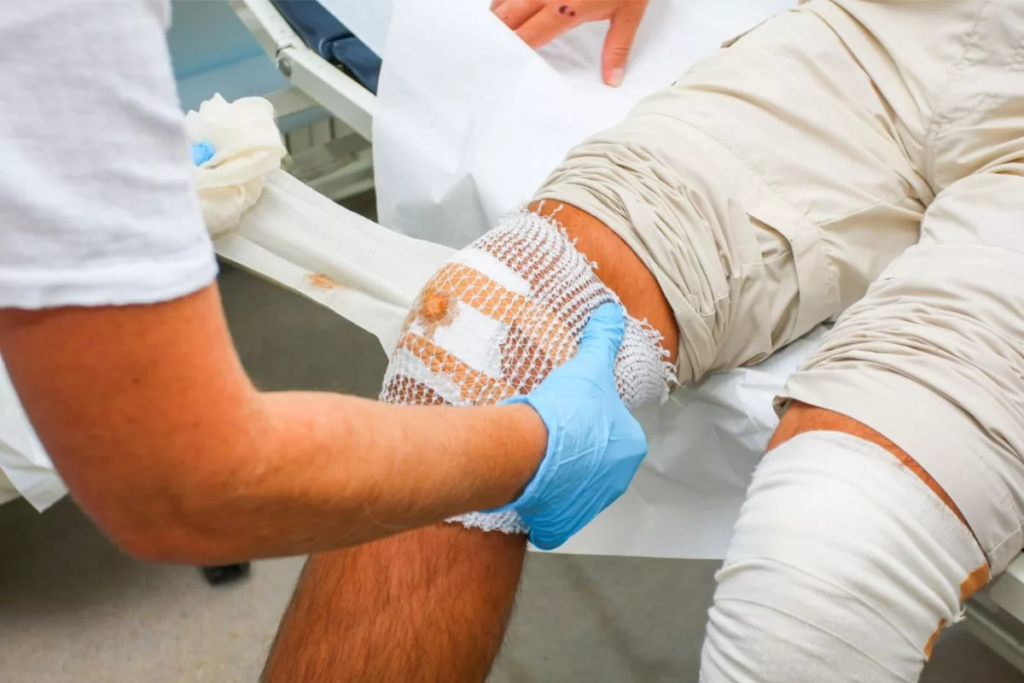
To properly understand post-surgery care, you must diligently follow the instructions provided by your healthcare team. Your recovery depends on how well you adhere to these guidelines. Take your medications as prescribed, attend follow-up appointments, and keep an eye out for any signs of complications.
Maintain a healthy diet, stay hydrated, and gradually ease back into your daily activities 天天枣上好. Listen to your body, rest when needed, but also engage in light movements to aid in your healing process. Don’t hesitate to reach out to your healthcare provider if you have any concerns or questions.
Managing Pain and Discomfort
Your pain and discomfort’s management after surgery is crucial for a smoother recovery process. Make sure to communicate openly with your healthcare provider about your pain levels. They can recommend suitable pain relief options such as medication, ice packs, or elevation.
Remember to follow the prescribed dosage and timing for any pain medications to optimize their effectiveness. Engaging in light movement and gentle exercises as advised by your healthcare provider can also help alleviate discomfort and prevent stiffness.
Additionally, practicing relaxation techniques like deep breathing or meditation can aid in reducing stress, which may contribute to heightened pain perception. By actively participating in your pain management plan, you can enhance your overall recovery experience and regain your strength more swiftly.
Incorporating Gentle Exercises
Engage in gentle exercises as recommended by your healthcare provider to promote mobility and prevent stiffness following surgery. These exercises, such as light stretching, walking, or gentle yoga, can aid in maintaining muscle strength and improving circulation. Start slowly and listen to your body, gradually increasing intensity as you feel comfortable.
Remember, movement is key to a speedy recovery, but it’s essential to strike a balance between pushing yourself and allowing for proper healing. Stay mindful of any pain or discomfort and communicate regularly with your healthcare team to ensure you’re on the right track.
Maintaining a Healthy Diet
For optimal recovery after surgery, maintain a healthy diet recommended by your healthcare provider. Focus on consuming nutrient-dense foods like fruits, vegetables, lean proteins, and whole grains to support your body’s healing process. Stay hydrated by drinking plenty of water throughout the day.
Avoid excessive amounts of sugary snacks and beverages, as they can hinder your recovery. Incorporate foods rich in vitamins C and D, zinc, and antioxidants to boost your immune system and promote tissue repair.
Listen to your body’s hunger and fullness cues, eating when you’re hungry and stopping when you’re satisfied. By nourishing your body with the right foods, you provide it with the essential building blocks for a successful recovery.
Monitoring Healing Progress
To monitor your healing progress post-surgery, regularly check for any changes in your incision site. Keep an eye out for signs of infection like increased redness, swelling, warmth, or discharge. It’s crucial to follow any specific instructions provided by your healthcare provider regarding wound care and monitoring.
Take note of how your body feels overall – any unusual pain, fever, or unexpected symptoms should be reported promptly. Documenting your progress with photos can also help track any changes over time.
Conclusion
Remember, recovery after surgery is a process that requires patience and care. By following your doctor’s instructions, managing pain, incorporating gentle exercises, maintaining a healthy diet, and monitoring your healing progress, you can ensure a smooth and successful recovery.
Remember to listen to your body and give yourself the time and rest needed to heal properly. Stay positive and focused on your recovery journey, and you’ll be back to feeling like yourself in no time.